


Navigating communication after a fight with your partner can be challenging. Deciding whether to text him first involves understanding your relationship’s unique dynamics and emotional atmosphere.
There is no one-size-fits-all answer, but applying thoughtful guidelines can help you make the best decision for your situation.
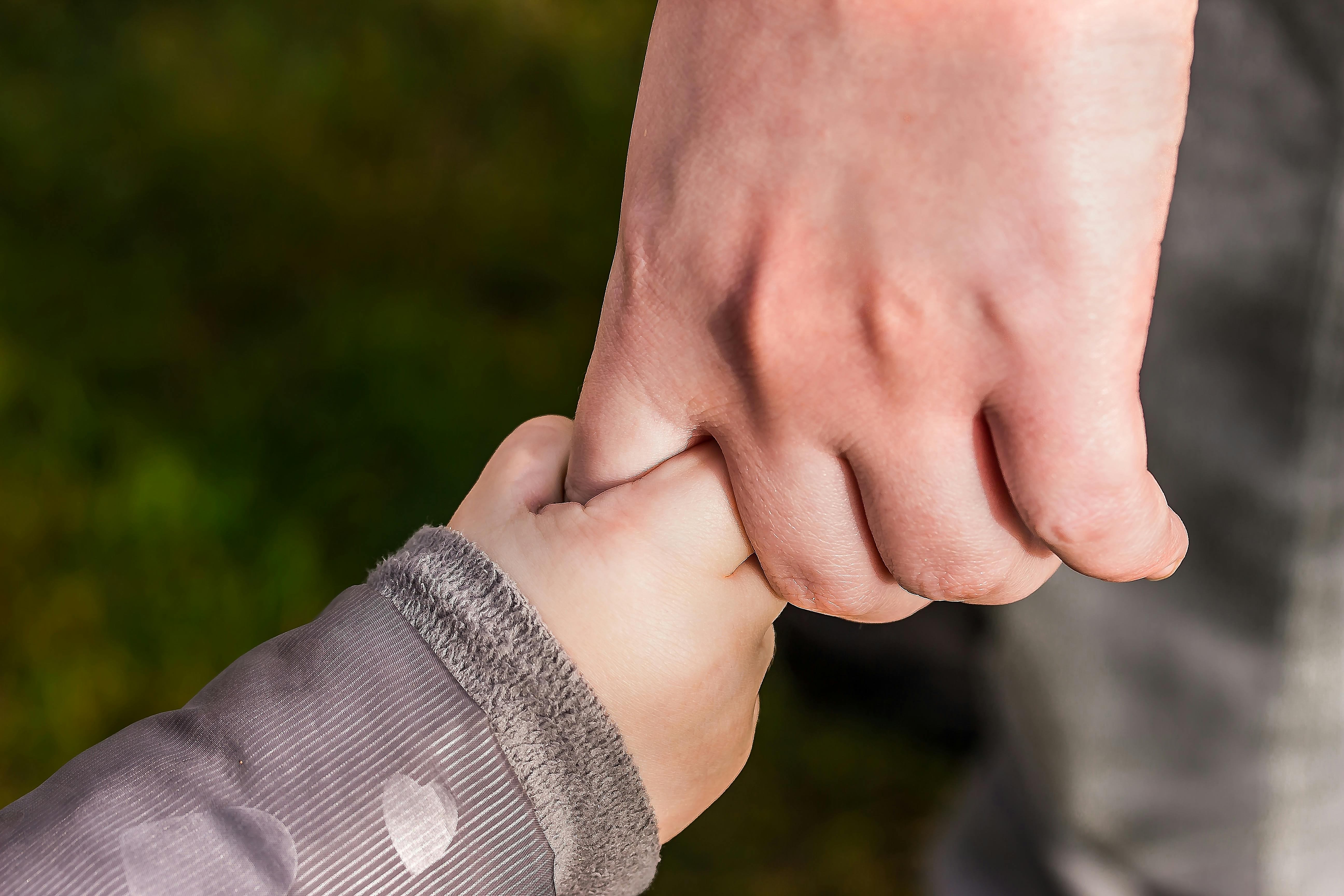
Photo by Pixabay
Understanding When to Reach Out After a Conflict
Before sending a message, evaluate if texting is the most effective way to reconnect. Some disagreements require in-person conversations to fully address feelings.
Consider how complex or sensitive the issue is and whether a text might lead to misunderstandings or escalate tension.
If the fight involves deep emotions or misunderstandings, a face-to-face talk may be more constructive.
Taking Time to Calm Down Before Contacting
Emotions can cloud judgment immediately following a conflict. It is crucial to allow yourself time to cool off before initiating contact.
Rushing to text while still upset can lead to messages that are defensive or hurtful. A pause helps you approach the conversation with clarity and calmness.
Set aside enough time to process your feelings so your message can be thoughtful and productive.
Identifying the Main Cause of the Disagreement
Reflect on what triggered the fight, whether it was a specific action, communication breakdown, or deeper unresolved issues.
Understanding the root cause helps you address problems rather than just symptoms when you reach out.
This insight allows you to craft a message that acknowledges the real issue and opens the door to resolution.
Reviewing Your Part in the Argument
Honest self-assessment is vital. Recognizing how your actions or words contributed to the conflict shows maturity.
Taking responsibility can ease tension and demonstrate your willingness to improve the relationship.
This also prepares you to offer a genuine apology if appropriate, fostering trust and healing.
Encouraging Open and Honest Communication
Reach out with a clear intention to listen and resolve the disagreement, not to assign blame.
Expressing your openness to talk helps your partner feel safe to share their perspective.
Use language that invites dialogue, such as asking questions or confirming feelings, to build mutual understanding.
Considering Your Partner’s Preferred Way to Communicate
Every person has a unique style of processing conflict. Some prefer texting, others value phone calls or face-to-face talks.
Respecting your partner’s preferences can make your attempt to reconnect more effective and appreciated.
Observe how they usually communicate during disagreements and adapt accordingly.
Offering a Sincere Apology When Needed
If you realize you hurt your partner, a heartfelt apology is an important step toward reconciliation.
Be specific about what you regret and avoid vague or conditional apologies.
This shows accountability and helps rebuild emotional safety after the conflict.
Practicing Empathy to Understand Their Perspective
Put effort into seeing the situation through your partner’s eyes. This helps you appreciate their feelings and motivations.
Empathy encourages compassion and reduces defensiveness, making resolution more attainable.
In your message, acknowledge their emotions to validate their experience and demonstrate care.
Evaluating How the Fight Affected Your Relationship
Consider the intensity and consequences of the disagreement. Was it a minor annoyance or something that shook your foundation?
This assessment guides whether immediate contact is necessary or if more time is needed.
For deeper impacts, a thoughtful approach to reconnecting shows respect for your relationship’s health.
Avoiding Manipulation or Game Playing
Steer clear of tactics like withholding communication to punish or provoke your partner.
These behaviors often intensify conflicts and damage trust. Instead, prioritize honesty and kindness in your outreach.
Clear, direct communication fosters healing rather than prolonging discord.
Trusting Your Intuition to Reach Out
Your feelings provide valuable guidance. If your heart urges you to make the first move, it likely reflects genuine care.
Listening to your intuition helps you act with authenticity, which your partner can sense and appreciate.
Balancing reason and emotion can lead to a message that feels natural and sincere.
Managing Your Emotions Before Contacting
Take control of your feelings to prevent reactive or impulsive messages.
Developing emotional regulation techniques, like deep breathing or journaling, can prepare you to communicate calmly.
Approaching the conversation with composure increases the chance of a positive exchange.
Allowing Time and Space for Healing
Sometimes the best response is patience. Giving your partner room to process emotions can prevent further conflict.
Respect their need for distance while signaling your availability when they are ready.
This balance honors both individuals’ emotional rhythms and supports lasting resolution.
Seeking Outside Perspectives When Unsure
If you feel stuck, trusted friends or family can offer valuable advice and clarity.
They may provide objective views or help you see blind spots in your approach.
Use their input to refine your message or timing for reaching out.
Having Confidence in Your Relationship’s Strength
Believe in the foundation you and your partner have built. Strong relationships can endure and grow through conflicts.
This confidence empowers you to take initiative without fear of rejection or failure.
Focus on your shared history and commitment when deciding to reconnect.
Keeping Focus on Your Shared Connection
Remember the positive aspects and love that bind you together. This perspective fosters forgiveness and motivation to resolve issues.
Highlighting your bond in your message can reassure your partner and encourage openness.
It reminds both of you why repairing the relationship matters.
Following Your Heart When Making the Decision
Ultimately, your personal feelings should guide you. What aligns with your values and emotional needs is the best path.
Trust yourself to choose what feels right, even if it feels uncertain.
Being honest with yourself leads to authentic communication and healthier outcomes.

Photo by Khanh Nguyen
How to Craft a Thoughtful Message
When you decide to text first, choose words that are clear and compassionate.
Start with a gentle opening that shows your intention to reconnect, such as “I want to talk when you’re ready.” Avoid blame or rehashing old arguments.
Keep the tone calm and constructive to invite a positive response.
Timing Your Message for Maximum Impact
Send your text at a time your partner is likely to be receptive, avoiding busy or stressful moments.
Consider their daily routine and emotional state to select an appropriate moment.
Timing can influence how your message is received and whether it leads to meaningful dialogue.
Maintaining Boundaries While Reaching Out
Express your willingness to communicate while also protecting your emotional well-being.
Set limits if needed, such as asking for honesty or respectful language, to ensure the conversation remains healthy.
This balance creates a safe space for both partners to engage without fear or resentment.
Encouraging Positive Steps After Reconnecting
Once contact is reestablished, suggest concrete actions to prevent similar conflicts.
This might include setting communication norms or scheduling regular check-ins.
Proactive steps show commitment to growth and strengthen your relationship over time.

Photo by Minh Hải Nguyễn
Real-Life Examples of Reaching Out After a Fight
After a heated disagreement about finances, Sarah waited a day to cool off before texting Mark. She acknowledged her part in the argument and expressed a desire to work together on a budget plan.
Mark appreciated Sarah’s thoughtful message and responded with openness. Their calm exchange led to a productive conversation that strengthened their partnership.
In another situation, Alex hesitated to text first after an argument about miscommunication. He trusted his feelings and sent a simple message asking if they could talk when she felt ready.
This respectful approach allowed his partner space while showing care. It reignited their connection and paved the way for honest discussion.
Conclusion on Making the Right Choice to Text First
Deciding to text him first after a fight requires reflection, emotional regulation, and understanding of your relationship’s needs.
Use the guidelines above to evaluate your circumstances and communicate with intention and empathy.
Open and honest dialogue is the foundation for resolving conflicts and fostering a stronger bond.