

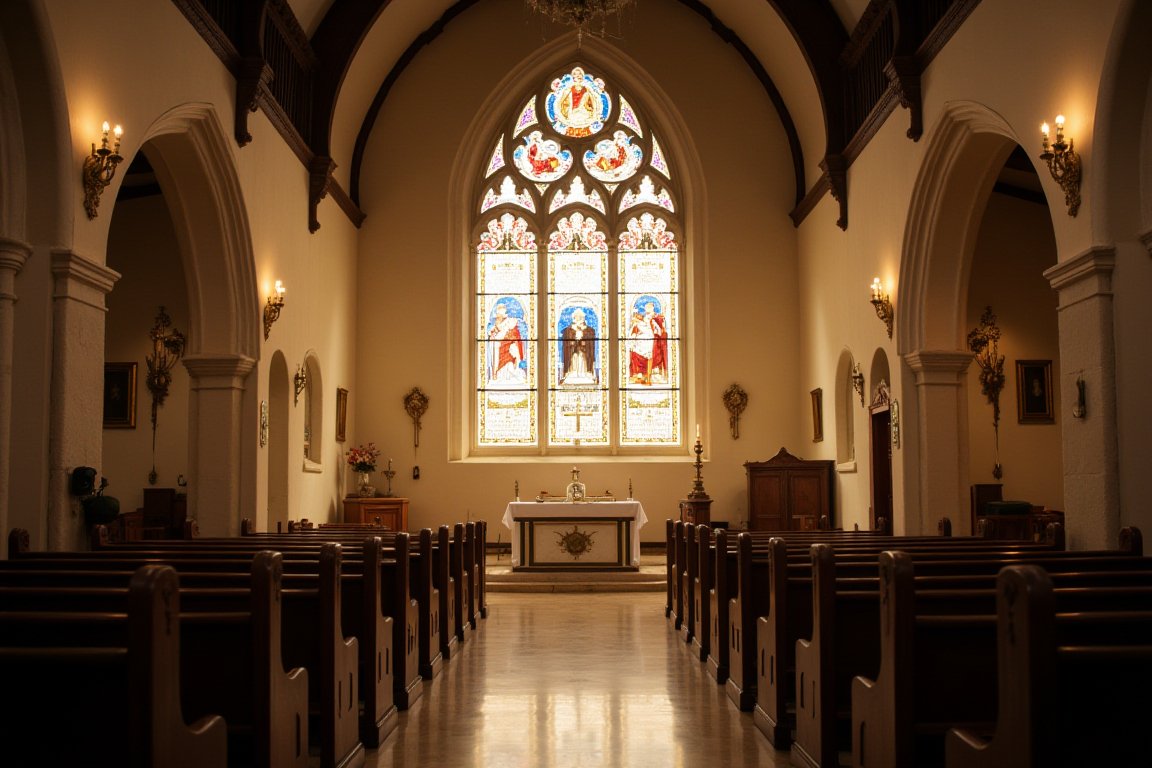
The Catholic Church holds marriage as a sacred and lifelong commitment established by God. This belief is deeply rooted in the teachings of Jesus Christ, emphasizing the unity and permanence of the marital bond.
Divorce, in the civil sense, represents a legal dissolution of marriage but does not affect the spiritual and canonical understanding of marriage within the Church. It is important to distinguish between civil divorce and annulment, which the Church uses to declare that a valid marriage never existed.

Photo by Alexander Mass
How the Catholic Church Views Divorce
The Church teaches that marriage is indissoluble; therefore, a civil divorce does not end the sacramental bond. Catholics who divorce remain married in the eyes of the Church until an annulment is granted.
This teaching affects Catholics’ participation in sacraments, especially if they enter into another marriage without an annulment. The Church stresses the importance of seeking reconciliation and maintaining the sanctity of marriage.
However, the Church also recognizes situations of marital abuse and encourages protection and legal action when necessary. It strives to balance adherence to doctrine with pastoral care for those suffering in difficult marriages.
What Happens After a Catholic Divorce
When a Catholic divorces, the Church still considers the original marriage valid. This means that remarriage within the Church is not permitted without an annulment.
Divorced Catholics are encouraged to continue practicing their faith and to seek spiritual guidance in navigating their circumstances.
The Church does not exclude divorced individuals from the community but advises them to live according to Church teachings, which includes refraining from sexual relationships outside their first marriage.
Legal and Spiritual Support
The Church promotes legal protections for those experiencing abuse or hardship in marriage. It encourages dialogue, counseling, and pastoral care to support healing and reconciliation.
Practical steps include seeking counseling from Church-appointed professionals and engaging in prayer and reflection to discern the path forward.
Core Catholic Teachings on Divorce
The Church’s stance on divorce is anchored in several key teachings highlighting marriage’s spiritual and social significance.
These teachings provide a framework for understanding why divorce is viewed seriously and how the Church supports those affected.
Marriage as a Holy Sacrament
Marriage is one of the seven sacraments in the Catholic Church, signifying a sacred covenant between two people and God. It embodies a lifelong commitment that mirrors divine love and fidelity.
Understanding marriage as a sacrament reinforces the belief that divorce contradicts God’s plan for unity and permanence.
Marriage Reflects Christ’s Relationship with the Church
The marital bond is also symbolic of Christ’s love for His Church. This spiritual analogy emphasizes mutual sacrifice, love, and fidelity.
Divorce disrupts this reflection and is seen as a rupture in the spiritual sign the marriage represents.
Divorce Conflicts with Natural Law
Natural law principles underpin the Church’s view of marriage as oriented toward unity, procreation, and mutual support.
Divorce undermines these purposes and is therefore considered a grave offense against the natural order, affecting both individuals and society.
Marriage Remains Binding Despite Civil Divorce
Even if a couple legally divorces, the Church holds that the sacramental bond endures. This means that spouses remain married spiritually and canonically.
This belief calls for careful discernment before entering a civil divorce and an understanding of its spiritual consequences.
Implications for Remarriage
Without an annulment, remarriage is not permitted in the Church. Those who remarry civilly may be barred from receiving Holy Communion unless they live in continence.
Marriage as a Divine Calling
Marriage is more than a contract; it is a vocation or divine calling. Like religious vocations, it requires dedication, sacrifice, and faithfulness.
Divorce represents a departure from this calling and a challenge to living out God’s plan for human relationships.
Recognizing marriage as a vocation encourages couples to seek spiritual growth and perseverance through challenges.
Church Resources for Couples Facing Challenges
The Church offers numerous resources to support couples experiencing difficulties. These include counseling, retreats, and pastoral care programs.
Many parishes provide marriage preparation and enrichment programs that help couples develop communication and conflict resolution skills.
Couples are encouraged to engage actively with these resources to foster healing and strengthen their marriage.
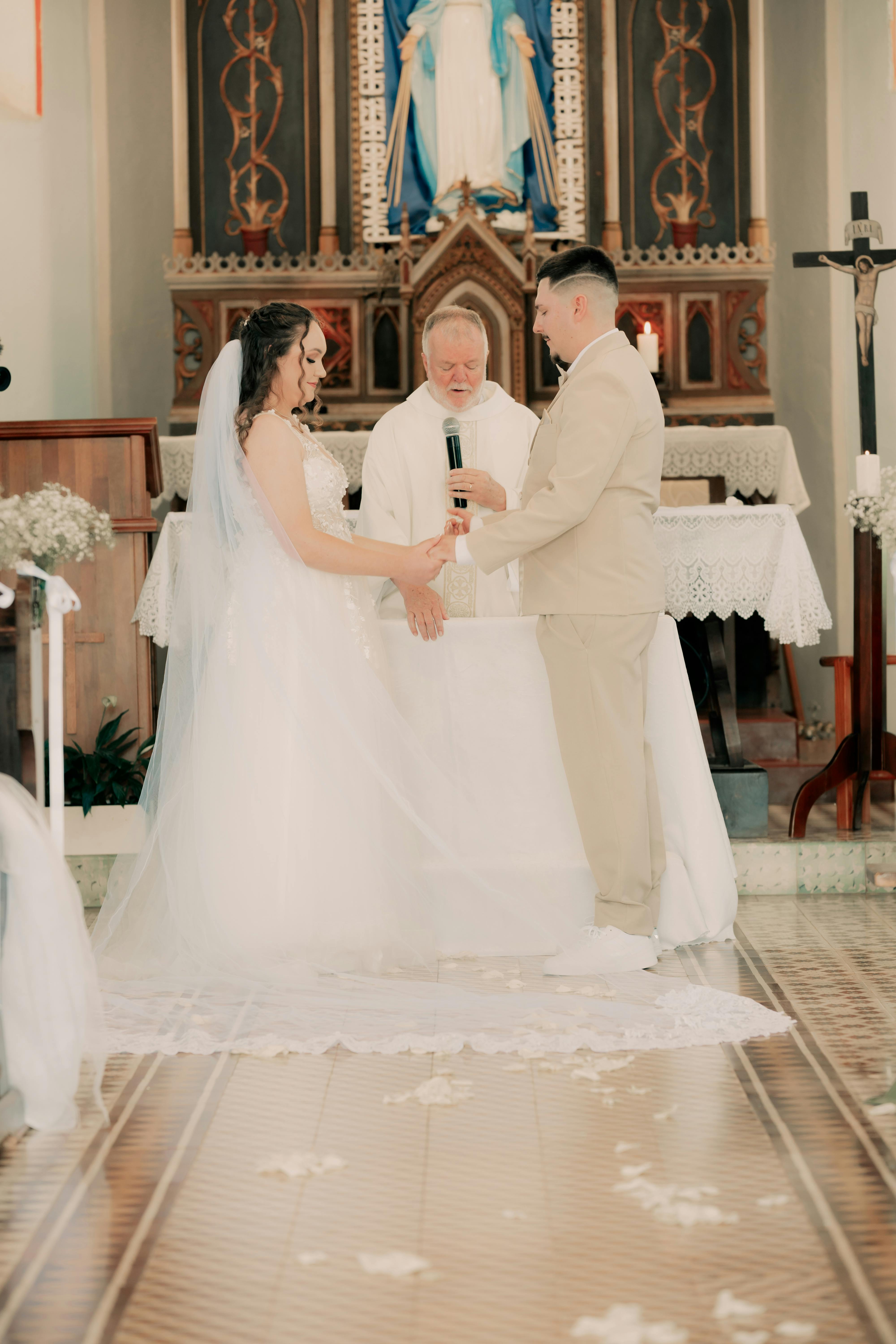
Photo by Alexander Mass
Understanding Annulment and Its Role
An annulment is a declaration by the Church that a valid marriage never existed due to specific impediments or defects at the time of the wedding.
Common reasons for annulment include lack of consent, psychological incapacity, or failure to observe essential marital obligations.
Annulment offers a path to spiritual healing and allows individuals to enter into a new valid marriage in the Church.
Process and Pastoral Support
The annulment process involves investigation by a Church tribunal and support from pastoral counselors.
Seeking annulment requires patience and openness to the Church’s guidance throughout the process.
Compassion for Divorced Catholics
The Church recognizes the emotional and spiritual pain that divorce causes. It emphasizes compassion, understanding, and ongoing pastoral care for divorced individuals.
Many dioceses have support groups and ministries dedicated to helping divorced Catholics find healing and community.
These ministries focus on restoration and reconciliation rather than judgment.
Practical Guidance for Navigating Divorce Within the Church
Those facing divorce are encouraged to seek both spiritual and emotional support within the Church community.
Prayer, scripture study, and participation in support groups can provide strength and clarity during difficult times.
Engaging with clergy and counselors can offer practical advice and help individuals maintain their faith amid challenges.
Photo by Thể Phạm
Examples of Faith and Navigation Through Divorce
Maria and John were a couple who struggled with years of unresolved conflict. After deciding on a civil divorce, Maria sought guidance from her parish priest and joined a support group for divorced Catholics.
Through counseling and prayer, she found healing and remained active in her faith community. Eventually, she received an annulment, which brought clarity and peace to her spiritual journey.
In another story, Thomas faced an abusive marriage but feared leaving due to Church teachings. With the help of his pastor and legal counsel, he found ways to protect himself while remaining connected to the Church’s support network.
These stories highlight the importance of compassionate pastoral care and the practical resources the Church provides to help individuals maintain their faith while navigating divorce.